




Aged Care and Mobility Aids
Whether you are choosing for yourself, helping a parent or partner, or recovering from an injury, this range covers mobility scooters, wheelchairs, rollators, walkers and crutches, shower and commode chairs, knee scooters and wheelchair ramps.
Jump to: Which aid do I need? · Buying for someone else · What to measure · Funding · FAQs


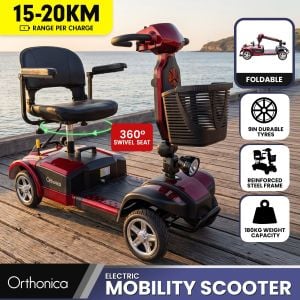
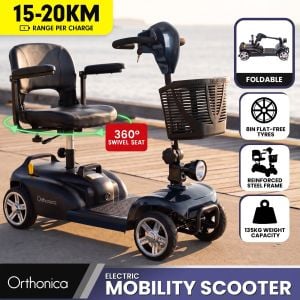
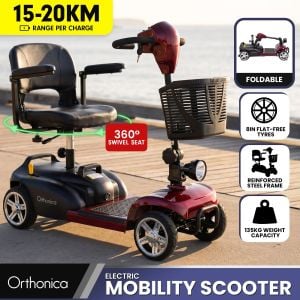
Mobility Scooters
Compare folding and full-size electric mobility scooters by range, weight and load up to 180kg.
Shop all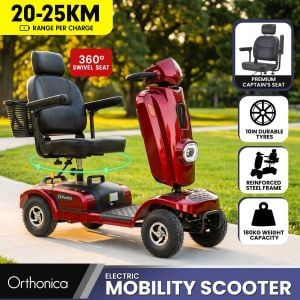
Wheelchairs
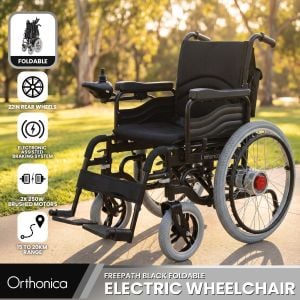
Compare folding manual and electric wheelchairs by weight, seat size and load.
Shop all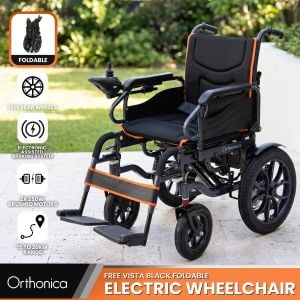


Rollators
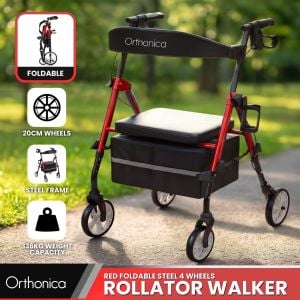
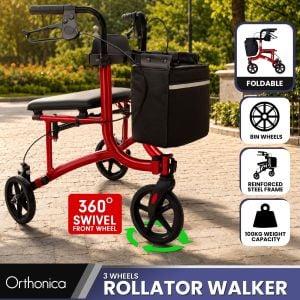
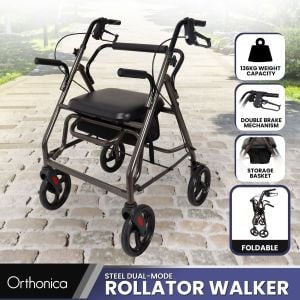
Compare 3 and 4 wheel rollator walkers with seats, by handle height, wheel size and load.
Shop all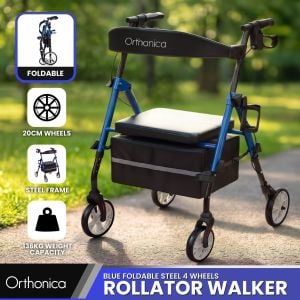




Walkers
Compare a forearm support walker and underarm crutch, see which walking aid suits you, and learn how to adjust it to the right height for safer walking.
Shop all

Mobility Chairs
Compare height adjustable shower chairs, shower stools and commode chairs with loads up to 158kg, plus how to pick the right height and stay safe.
Shop all



Ramps
Compare portable folding wheelchair and mobility scooter ramps from 2ft to 10ft, rated to 386kg.
Shop all


This guide covers product features only. For advice about your health or which type of aid suits you, talk to your doctor, occupational therapist (OT) or physiotherapist.
Which mobility aid do I need?
The right aid depends on how far you need to go, how steady you feel and how much help you have. Use this as a starting point, then open the category for a detailed guide.
| Your situation | Usually worth a look | Why |
|---|---|---|
| Walking is possible but tiring, and you want somewhere to rest | Rollator | Wheels, hand brakes and, on most models, a seat for rest stops. |
| You want arm or forearm support while walking | Walkers and crutches | A forearm walker or underarm crutch, usually set up with advice from a physio. |
| Longer outings are out of reach on foot | Mobility scooter | Powered travel to the shops or the park for people able to sit up and steer with a tiller. |
| You need to sit for most trips, or a carer pushes you | Wheelchair | Manual, electric and 2-in-1 options. |
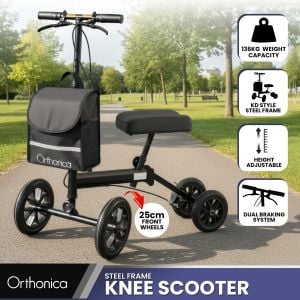
| A foot or ankle cannot take weight for a while | Knee scooter | Rest your bent leg on a padded platform and roll on your good foot. |
| Showering or using the toilet has become difficult | Shower or commode chair | Sit down to wash, or use a commode beside the bed at night. |
| Steps or kerbs block a wheelchair, scooter or walker | Wheelchair ramp | Portable and threshold ramps from 2ft to 10ft. |
Buying for a parent or partner
You are far from alone. The Australian Bureau of Statistics counted 3.0 million carers in Australia in 2022, and more than half of Australians aged 65 and over have a disability. Many families start looking for equipment after a fall, a hospital stay or a new diagnosis, often in a hurry.
Include them in the choice
An aid that feels wrong often ends up in the garage. Talk through where they want to go and what worries them, and focus on what the aid lets them keep doing.
Get their measurements
You will need their height, weight, and hip width for a wheelchair, plus handle height for a rollator. Measure them in the shoes they normally wear.
Think about who lifts it
Check the weight of anything going in a car boot. A folding electric chair or scooter still weighs around 40kg or more, which is a two-person lift for most families.
What to measure before you buy
- User weight. Choose a maximum load above the person's weight, plus anything they carry. Ramps must also take the weight of the wheelchair or scooter.
- Height and handles. For walking aids, compare the handle range with the height of the wrist when the arms hang relaxed.
- Doors and hallways. Measure the narrowest doorway. Our manual wheelchairs are about 61 to 62cm wide and our electric chairs 65cm.
- Car boot. Compare the folded size on the product page with your boot opening, not just the space inside.
- Step height. For a ramp, measure the total rise from the ground to the top of the step. Length depends on that number.
- Bathroom. Measure the shower recess and check any lip or hob before choosing a shower chair.
Can I get funding for mobility equipment?
It may be possible. Mobility aids and home access equipment are generally classed as assistive technology, and many items here may be covered, depending on your plan.
NDIS participants
You may be able to use plan funding. What you can buy, and whether you need advice or an assessment first, depends on your plan, the item and how your funding is managed. Ask your plan manager or support coordinator, or see the NDIS assistive technology pages.
Support at Home
Older Australians may be eligible through the Assistive Technology and Home Modifications (AT-HM) scheme, following an assessment through My Aged Care on 1800 200 422 (Monday to Friday 8am to 8pm and Saturday 10am to 2pm AEST, closed Sundays and national public holidays). The Department of Health's schedule from 1 July 2026 lists assistive technology tiers of $513, $2,052 and $15,390, depending on assessed need. Funds generally need to be used within 12 months.
Check with your plan manager or care partner before you buy, so you know what can be covered and what paperwork is needed.
Common questions
What is the difference between a mobility aid and aged care equipment?
The terms overlap. Mobility aids help you move around, such as walkers, wheelchairs and scooters. Aged care equipment also covers daily living items such as shower chairs and commodes, plus access items such as ramps.
How do I know which mobility aid is right for me?
Start with how far you need to go, how steady you feel and whether you can steer or brake safely. An occupational therapist or physiotherapist can assess you and recommend a type, which is especially useful after a fall or surgery.
Can I buy mobility aids with NDIS or Support at Home funding?
It may be possible. Mobility aids are generally classed as assistive technology. NDIS participants may be able to buy one with plan funding, and older Australians on Support at Home may be eligible through the Assistive Technology and Home Modifications (AT-HM) scheme. Eligibility depends on your plan, so check with your plan manager or care partner first.
Do I need a prescription to buy a mobility aid?
You do not need one to buy these products from Klika. Funding schemes can have their own rules and may ask for an assessment or a prescription, so ask your provider first if you plan to claim.
Should I choose a rollator or a wheelchair?
A rollator suits someone who can walk with support and wants to keep doing so. A wheelchair suits someone who needs to sit for most trips. Our 2-in-1 rollator wheelchair combines both for people who walk some of the way and need pushing for the rest.
What equipment should we get after a fall?
Talk to a GP first, and ask about a home assessment by an occupational therapist. They can advise which equipment to consider. We can only help you compare product features.
Do you sell equipment for use after surgery?
Yes. Knee scooters, crutches, shower chairs and commodes are often used during recovery. Ask your surgeon or physio which is suitable and when you can start using it.
Specifications come from each product listing, so check the product page before you buy. Funding and road rules can change, so confirm them with the relevant authority.